
Pediatric Dentist in Law Garden
Every parent has questions about their child’s dental care, when to start, what’s normal, and how to make visits less stressful. As a trusted pediatric dentist in Law Garden, Stat Care Dental & Aesthetic Clinic offers age-appropriate care at every stage, from your child’s very first tooth through their teenage years, with an approach built around patience, clear communication, and genuine comfort for young patients.
Every Parent's Dental Questions, Answered
“When should my child first see a dentist?”
“Is this normal for their age?”
“How do I get them to actually cooperate?”
These are some of the most common questions we hear from parents and they don’t always have simple, one-size-fits-all answers. Every child’s dental needs shift as they grow, which is why we approach pediatric care as an ongoing journey rather than a single type of visit.
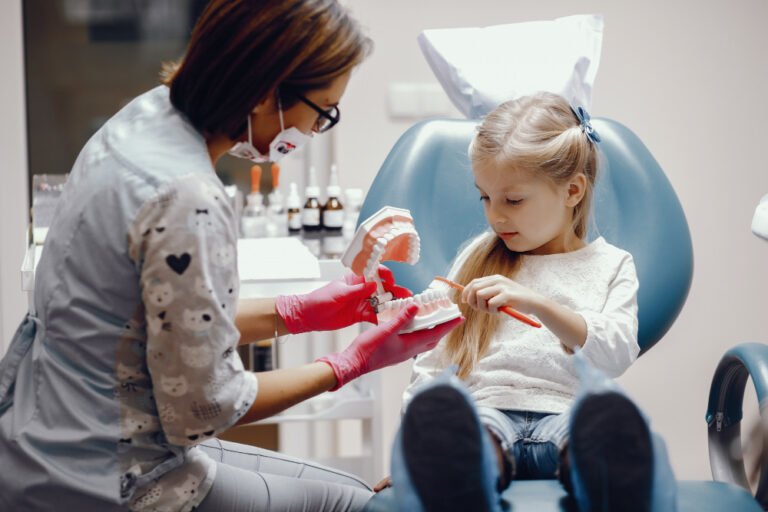
Your Child's Dental Journey : Age by Age
Infants (0–2 years) : First Teeth & First Visit
The first tooth usually appears between six and twelve months. Most pediatric dental guidelines recommend scheduling your child’s first dental visit around this time, or by their first birthday. This early visit isn’t about intensive treatment, it’s about checking healthy development, offering guidance on teething discomfort, and helping your child get comfortable with the idea of a dental visit before any actual treatment is needed.
At this stage, we also guide parents on cleaning gums and early teeth with a soft, damp cloth or a small, soft-bristled brush, and on avoiding habits like prolonged bottle-feeding at bedtime, which can contribute to early tooth decay.
Toddlers (2–5 years) : Building Healthy Habits
By this age, most of your child’s baby teeth have come in, and daily brushing habits are starting to form. This is a critical window for preventing early childhood cavities, which are often linked to sugary snacks, juice, or bedtime bottles.
We focus on preventive care during this stage, regular check-ups, fluoride application where appropriate, and simple, practical guidance for parents on brushing technique, diet, and portion control for sugary foods. It’s also a common time to address habits like thumb-sucking or extended pacifier use, which can begin to affect tooth alignment if they continue too long.
School-Age Kids (6–12 years) : Mixed Teeth & Growth
This stage brings one of the biggest transitions in your child’s dental development: baby teeth begin falling out, and permanent teeth start coming in, often creating a “mixed dentition” of both tooth types at once. It’s a stage that needs close monitoring, since crowding, early tooth loss, or delayed eruption can affect how permanent teeth ultimately align.
We commonly recommend pit and fissure sealants during this stage, which protect the chewing surfaces of new permanent molars from cavities. If a baby tooth is lost earlier than expected due to decay or injury, a space maintainer may be used to hold the gap open, guiding the permanent tooth into its correct position as it grows in.
Pre-Teens & Teens (12+ years) : Alignment & Independence
By the pre-teen years, most permanent teeth have erupted, and this is often when alignment issues become more noticeable making it a common time for an orthodontic evaluation. Teens are also typically ready to take on more responsibility for their own oral hygiene, though guidance on proper brushing, flossing, and diet is still valuable.
This stage is also when cosmetic concerns, like teeth whitening or addressing minor alignment issues, often come up usually tied to growing social awareness and a desire for a more confident smile.
Signs Your Child May Need to See a Dentist Soon
Beyond routine check-ups, watch for these signs that may need earlier attention:
- Complaints of tooth pain or sensitivity to hot, cold, or sweet foods
- Visible dark spots or holes on teeth
- Swollen or bleeding gums
- A tooth that appears loose earlier or later than expected for their age
- Difficulty chewing on one side of the mouth
- Persistent bad breath despite regular brushing
If you notice any of these, it’s worth scheduling a visit rather than waiting for the next routine check-up.
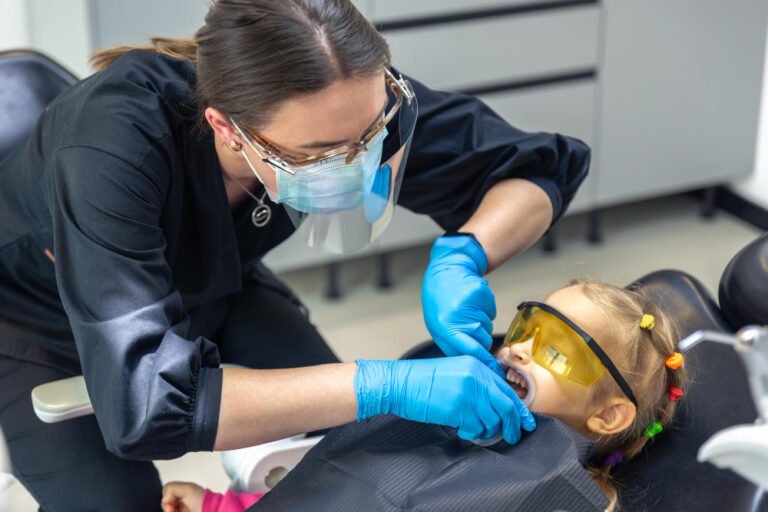
How We Help Nervous or First-Time Patients
Dental anxiety in children is common, and it’s something we plan for directly rather than treating as an afterthought. A few techniques we rely on:
- Tell-show-do technique: before using any instrument, we explain what it does and let your child see and, when appropriate, touch it, so nothing feels sudden or unfamiliar
- Short, positive first visits: especially for very young or anxious children, an initial visit may simply involve a look around, meeting the team, and a gentle exam, without rushing into treatment
- Parent involvement encouraged: having a parent nearby, especially for younger children, helps keep them calm and reassured throughout the visit
No rushed appointments, we build in enough time so children don’t feel hurried, which often reduces anxiety far more than any single technique on its own
Our Pediatric Dental Services at a Glance
Service | What It’s For |
First dental visits | Gentle introduction to dental care and early development check |
Preventive check-ups & fluoride | Routine monitoring and cavity prevention |
Milk teeth fillings | Treating cavities in baby teeth to prevent pain and infection |
Pit and fissure sealants | Protecting new permanent molars from decay |
Space maintainers | Holding space for permanent teeth after early tooth loss |
Habit-breaking guidance | Addressing thumb-sucking or pacifier-related concerns |
Orthodontic evaluation | Early assessment of alignment and bite development |
Emergency dental care | Prompt care for injuries, sudden pain, or dental trauma |
Pediatric Dentist vs General Dentist: Why It Matters for Kids
Many parents assume any dentist can treat a child, but pediatric dentistry involves specific training in child development, behavior management, and age-appropriate treatment techniques that general dentistry doesn’t typically cover in the same depth.
A few key differences:
- Communication style: pediatric dental care is built around explaining things in ways children understand and feel comfortable with, not just efficient treatment
- Growth-focused treatment planning: pediatric dentists are trained to anticipate how a child’s mouth will continue developing, which affects decisions like when to intervene versus when to monitor and wait
- Comfort with anxious or first-time patients: techniques for managing dental anxiety in children are a core part of pediatric dental training, not an improvised add-on
- Age-specific equipment and techniques: tools and approaches are adapted specifically for smaller mouths and developing teeth
This specialized approach often makes a meaningful difference in how comfortable your child feels and how willing they are to keep coming back for regular care.
A Typical First Visit: What to Expect
1. Check-in and icebreaker: Your child is welcomed into the clinic with a few minutes to settle in and get comfortable before anything begins.
2. Gentle examination: A careful, age-appropriate check of teeth, gums, and jaw development, explained step-by-step as we go.
3. Cleaning, if needed: For children old enough and comfortable with it, a gentle cleaning may be included as part of the visit.
4. Parent discussion and home-care tips: We wrap up with a conversation covering what we observed, any recommendations, and practical guidance for brushing, diet, or habits at home.
Emergency Pediatric Dental Care
Dental emergencies in children, a knocked-out tooth, sudden swelling, or an injury from a fall or sports activity, need prompt attention. We prioritize same-day evaluation wherever possible for urgent pediatric concerns, since quick action can often make a meaningful difference in outcomes, especially for injuries involving permanent teeth.
What Our Patients Say
Mehul Parmar
Harsh Shah
Kaushik Jain
Renu Singhvi
PRIYANK SINGHVI
Frequently Asked Questions
Most guidelines recommend a first visit around the time the first tooth appears, or by the child’s first birthday, whichever comes first.
Pediatric dentists have specific training in child development, behavior management, and age-appropriate treatment techniques, along with experience managing dental anxiety in young patients.
We build extra time into first visits for anxious or first-time patients, often starting with a short, low-pressure visit focused on comfort rather than treatment.
Yes. Baby teeth support proper eating, speech development, and guide permanent teeth into their correct position. Untreated cavities can also cause pain and infection.
An initial orthodontic evaluation is often recommended around age seven, though treatment, if needed, is usually timed later based on individual development.
Contact us as soon as possible, prompt evaluation is important, especially for injuries involving permanent teeth, where timing can affect treatment outcomes.
Book Your Child's First / Next Visit Today!
Whether it’s your child’s very first dental visit or a routine check-up, the team at Stat Care Dental & Aesthetic Clinic is here to make every visit a positive one for your child in Law Garden.
Visit Our Clinic Near Law Garden
Address:
Office No. B, 4th Floor, Galaxy Building, B/h. GLS Ground, Opp. National Handloom, Off C.G. Road, Ahmedabad – 380006
Phone:
+91 63588 56652 | +91 96013 13744
Clinic Hours:
Monday to Saturday, 10:00 AM – 7:00 PM (Sunday by prior appointment only)